
Zambia · Youth-led NGO · Est. 2024
Safe Strides
Initiatives
Empower. Prevent. Thrive. We confront Zambia's twin crises of substance abuse and road fatalities — protecting adolescents and young people aged 10–35.
01
Overview
Safe Strides Initiatives (SSI) confronts Zambia's twin crises of substance abuse and road fatalities devastating its youth. Through evidence-driven programs, we EMPOWER adolescents and youths (10–35 years) with life-saving education and peer leadership, PREVENT tragedies via community mobilization and policy advocacy, and foster environments where youth THRIVE. With substance abuse fueling 60%+ road accidents and costing Zambia 4.7% of GDP annually, SSI's urgent mission aligns with national health goals and Vision 2030.
of road crashes involve substance abuse
annual cost of youth road & drug harm
age range of youth we serve

02
About Our Organization
Founded in October 2024, Safe Strides Initiatives (SSI) is a youth-focused NGO committed to reducing substance abuse and road traffic accidents among Zambia's adolescents and young people. Born out of an evidence-based needs assessment, SSI targets the root causes of these challenges: peer pressure, unemployment, weak enforcement, and limited youth-friendly services — through a holistic, community-driven approach.
By combining education, advocacy, peer-to-peer engagement, research and strategic partnerships, SSI empowers young people to make safer choices and fosters a culture of health and responsibility.
Vision
A generation of empowered youth who thrive in safe environments.
Free from substance abuse and road accidents, making positive choices that shape their future and contribute to stronger, healthier communities.
Mission
Empowering communities with the knowledge and skills to make informed, healthy and safe choices.
Rigorous research into the root causes of substance abuse and road safety challenges.
Pushing for stronger policies and inclusive national strategies that protect Zambia's youth.
Innovative, locally grounded programs co-designed with the communities they serve.
03
Major Factors
Four enablers drive the success, sustainability and scale of our work across Zambia.
School systems, community centers and local institutions as platforms for delivery.
Youth development experts, mobilizers and trained peer educator leaders.
Field-tested SOPs for outreach, M&E and stakeholder engagement.
Lean, high-impact budgeting prioritizing awareness, schools and partnerships.
04 — The Problem
A youth health emergency.
In 2022, 217 children died and over 500 were injured in road crashes — many linked to drug and alcohol use. Behind the data lies a deeper cost: the loss of dreams, leadership and national potential.
Substance abuse and road crashes destabilize families and communities; youth drop out and face cycles of poverty.
Poor road infrastructure, weak drainage and a lack of safe public spaces raise mobility risks for youth.
Weak enforcement, poor coordination and limited youth-centered services leave critical protection gaps.

05
Our Solution
A holistic approach combining education, peer leadership and community engagement. We focus on prevention — not just response — addressing the root causes of unsafe mobility and substance abuse.
Education, awareness and peer-led outreach tackling substance abuse and road safety together.
Working with ministries, schools, NGOs and local leaders to align policies and resources.
Training peer educators and turning youth from passive victims into active changemakers.
06
SWOT
- ■Strong grassroots presence and community trust
- ■Youth-centered, peer-led engagement model
- ■Evidence-based programming aligned with Vision 2030
- ■Partnerships with ministries, schools and local actors
- ■Holistic: substance abuse, road safety & climate resilience
- ■Limited funding streams and reliance on early grants
- ■New organization still building brand recognition
- ■Organizational systems and staffing under development
- ■Limited digital infrastructure for online outreach
- ■Short-term project timelines may affect long-term impact
- ■National alignment with youth health & safety priorities
- ■Growing interest in climate-safe mobility advocacy
- ■High demand for youth leadership programs
- ■Expansion through digital tools and social media
- ■Donor interest in multi-sectoral, youth-led solutions
- ■Economic instability affecting donor and partner funding
- ■Rising rates of substance abuse and road fatalities
- ■Gaps in law enforcement and weak policy implementation
- ■Stakeholder fatigue without consistent impact comms
- ■Competition for limited resources among NGOs
07
4P's of Impact Strategy
- — Youth-focused
- — Peer-led education
- — Climate-resilient mobility campaigns
- — Substance abuse & road safety interventions
- — Evaluation Integrated
- — Adolescents and youth (10–35)
- — Peer educators and school leaders
- — Teachers and mentors
- — Parents and guardians
- — Community volunteers
- — Ministry of Health
- — Ministry of Transport & Logistics
- — Ministry of Youth & Sports
- — RTSA · Zambia Police · DEC
- — UNDP, schools and private sector
- — Social media outreach
- — School & community campaigns
- — Youth-led storytelling
- — Advocacy briefs & updates
- — Community engagement forums
08 — Programs
Research-grounded.
Youth-led. Built for Zambia.
Tailored for schools, communities and institutions — integrating education, advocacy and peer leadership to save lives and build safer communities.

- 01 Substance Abuse Prevention Education
- 02 Road Safety Awareness & Community Mobilization
- 03 Climate-Safe Mobility (Green Pathways)
- 04 Peer Educator Training & Youth Leadership
- 05 School-Based Campaigns and Clubs
- 06 Community Dialogues & Stakeholder Forums
- 07 Monitoring, Research & Impact Evaluation
09
Strategic Engagements

Green Pathways — a youth-led climate action campaign
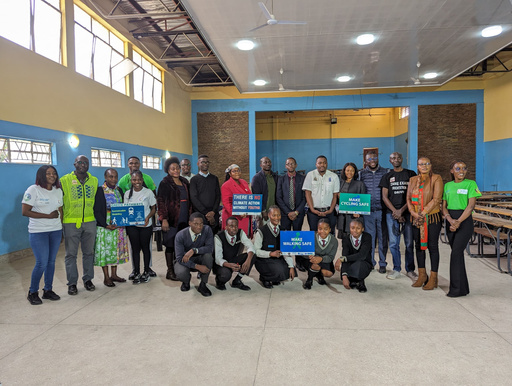
SSI hosted a stakeholder meeting to launch Green Pathways, addressing climate resilience, sustainable transport and youth-led action. Partners included the Ministry of Green Economy, RTSA, UNDP, MoH, Lusaka City Council and local schools.
The initiative integrates road safety and climate response through youth leadership, with support from Lusaka City Council.
10
Development Timeline
- — Officially founded in October
- — Youth vulnerability & community needs assessment
- — Core focus: substance abuse, road safety, empowerment
- — Strategic plan & initial stakeholder links
- — Flagship programs rolled out in Lusaka
- — Green Pathways stakeholder meeting (July)
- — First cohort of Peer Educators trained
- — Partnership with Lusaka City Council
- — Expand to peri-urban schools
- — National digital youth safety campaign
- — First Youth & Policy Dialogue Forum
- — Integrate menstrual hygiene & mental health
- — Scale Green Pathways nationwide
- — Launch Safe Strides Youth Innovation Lab
- — Host Zambia's first Youth Safety Summit
- — Pursue SADC-level registration

11
Expected Outcomes
- 01 Increased awareness of substance abuse and road risks
- 02 Youth making safer, informed life choices
- 03 Stronger cross-sector community engagement
- 04 Policy reforms and system strengthening
- 05 A sustainable national youth safety movement
12
Sustainability Plan

Ongoing collaboration with government and private sector.
Engagement from planning through implementation.
Grants, donations and partnerships for financial stability.
Continuous training for staff and youth leaders.
13
Partnerships & Collaborations
We are open to new partnerships that align with our vision and Zambia's development priorities.
Ministry of Health
Ministry of Transport & Logistics
Road Transport and Safety Agency
Zambia Police Service
Drug Enforcement Commission
UNDP Zambia
Lusaka City Council
Schools & Youth Organizations
14 — Call to Action
Be part of Zambia's youth safety movement.
Join Safe Strides Initiatives in saving lives, shaping futures and building a resilient nation.